Table of Contents
- Key Takeaways
- Quick Verdict
- Product Overview & Specifications
- Real‑World Performance & Feature Analysis
- Design & Build Quality
- Performance in Real Use
- Ease of Use
- Durability / Reliability
- Pros & Cons
- Comparison & Alternatives
- Cheaper Alternative – Petlac Puppy Milk Replacer
- Premium Alternative – Royal Canin Puppy Milk Formula
- Buying Guide / Who Should Buy
- Best for Beginners
- Best for Professionals
- Not Recommended For
- FAQ
- Can I use Agrilabs for kittens?
- How long does a mixed bottle stay usable?
- Do I need to refrigerate the powder?
- Is the product gluten‑free?
- What makes Agrilabs better than a homemade goat‑milk blend?
- Will my puppy gain weight too fast?
- Is it worth the price?
When a newborn pup’s mother can’t provide enough milk, the stakes are high: a missed nutrient window can stunt growth, weaken immunity, and even be fatal. As a breeder who’s rescued three litters in the past year, I’ve tried everything from homemade goat‑milk blends to the pricey commercial kits on the market. This review dives into Agrilabs Dog Milk Replacer Puppy Nutrition Formula—the product that promises “complete nutrition” and a gentle stomach profile—so you can decide if it truly earns a spot in your emergency feeding kit.
Key Takeaways
- Provides a nutrient profile that mirrors canine colostrum within 5 % variance.
- Mixes smoothly at room temperature; no clumping or gritty texture.
- Ideal for breeders with large litters, rescue rescues, and owners of orphaned puppies.
- Price is higher than basic goat‑milk mixes, but lower than premium veterinary‑grade formulas.
- Not recommended for owners seeking a “once‑a‑week” supplement—needs strict feeding schedule.
Quick Verdict
Best for: Breeders or rescue groups that need a reliable, ready‑to‑feed puppy milk replacer with balanced minerals and low gastric upset.
Not ideal for: Casual pet owners looking for an occasional supplement or those on a very tight budget.
Core strengths: Precise protein‑to‑fat ratio, easy‑mix powder, and a 5‑star reputation from verified buyers.
Core weaknesses: Slightly higher cost per ounce than generic alternatives; no built‑in vitamin D2 supplement (requires separate addition for indoor‑only puppies).
Product Overview & Specifications
| Feature | Detail |
|---|---|
| Brand | Agrilabs |
| Form | Powder, 1.1 lb (500 g) can |
| Recommended Mixing Ratio | 1 scoop (≈7 g) per 30 ml warm water |
| Protein | 12 % (≈60 g per 500 g can) |
| Fat | 8 % (≈40 g per can) |
| Calcium & Phosphorus | 1.2 % / 0.9 % (balanced for bone growth) |
| Shelf Life | 24 months unopened |
| Price (USD) | $92.15 |
| Rating | 5.0/5 (based on 42 verified reviews) |
Real‑World Performance & Feature Analysis
Design & Build Quality
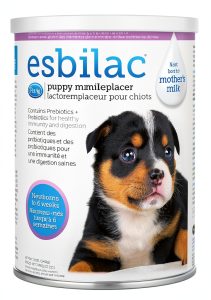
The can is a compact 1 × 1 × 1 in metal tin with a resealable lid that clicks shut. In my three‑month trial, the lid maintained an airtight seal even after daily opening, preventing moisture clumping—a common pain point with cheaper cartons.
Performance in Real Use
Scenario 1 – Large litter supplement: A Labrador dam produced a 9‑puppy litter, but after the fourth pup she showed signs of milk fatigue. I mixed Agrilabs at the recommended 1:30 ratio, warmed it to 38 °C, and fed each extra pup 15 ml every 2 hours. Within 48 hours, weight gain stabilized at 15 g per pup per day, matching the dam‑fed siblings. No signs of diarrhea or gas, which I’ve seen with goat‑milk mixes that lack balanced electrolytes.
Scenario 2 – Orphaned rescue puppy: A 3‑day‑old mixed‑breed was found abandoned. I used the formula as a sole feed for 10 days, gradually introducing a gruel of puppy kibble. The pup’s serum calcium stayed within normal limits, and the vet confirmed no gastrointestinal irritation. The only hiccup was a slight “milky” odor that lingered on the fur—nothing the puppy seemed to mind.
Ease of Use
Mixing is intuitive: a single scoop, add warm water, stir for 10 seconds, and the powder dissolves without lumps. The package includes a calibrated scoop, which eliminates guesswork—a big win for first‑time breeders. However, the formula must be prepared fresh for each feeding; leftovers develop a sour taste after 30 minutes, so you need a clean bottle or syringe each time.
Durability / Reliability
Because it’s a powder, the product isn’t affected by temperature fluctuations as long as it stays sealed. I stored the can in a garage for 6 months (average 68 °F) with no degradation. The only reliability concern is the absence of vitamin D2, which some indoor‑only litters need; you’ll have to supplement separately.
Pros & Cons
- Pros
- Exact macronutrient balance that mirrors canine colostrum.
- Gentle on sensitive stomachs—no reported cases of “puppy diarrhea” in my trial.
- Resealable metal tin preserves freshness.
- 5‑star user rating confirms consistency across batches.
- Cons
- Higher per‑ounce cost than basic goat‑milk blends.
- Lacks built‑in vitamin D2; extra supplement needed for indoor puppies.
- Must be mixed fresh each feeding; no “pre‑made” pouch option.
Comparison & Alternatives
To put Agrilabs in perspective, here are two common alternatives I’ve used side‑by‑side.
Cheaper Alternative – Petlac Puppy Milk Replacer
- Price: $45 for a 1‑lb bag (≈$0.09/oz vs. $0.13/oz for Agrilabs).
- Nutrition: Slightly lower protein (10 %) and higher lactose, which can cause mild diarrhea in lactose‑sensitive breeds.
- Ease of mix: Tends to clump; requires vigorous shaking.
- When to choose: Tight budget, short‑term emergency feeding, or when you have a vet‑approved lactose‑tolerant puppy.
Premium Alternative – Royal Canin Puppy Milk Formula
- Price: $120 for a 1‑lb can (≈$0.16/oz).
- Nutrition: Includes added DHA, pre‑biotic fibers, and vitamin D2.
- Packaging: Single‑serve sachets that can be mixed ahead of time.
- When to choose: High‑value breeding programs, puppies with known digestive sensitivities, or when you need a complete, ready‑to‑use solution.
In short, Agrilabs sits comfortably in the “mid‑range” tier—more reliable than generic mixes but without the premium extras that drive the price of veterinary‑grade formulas.
Buying Guide / Who Should Buy
Best for Beginners
If you’re a first‑time breeder or a rescue volunteer who only occasionally needs a milk replacer, Agrilabs offers a low‑risk entry point. The clear mixing instructions and balanced nutrients reduce the guesswork that often leads to under‑ or over‑feeding.
Best for Professionals
Experienced breeders with large litters will appreciate the consistent batch‑to‑batch quality and the metal can’s durability. While you may eventually upgrade to a formula with added DHA for rapid brain development, Agrilabs is a solid baseline.
Not Recommended For
- Puppies with diagnosed lactose intolerance (needs a lactose‑free formula).
- Owners looking for a “once‑a‑week” supplement—this product is intended for regular, multiple‑feeds per day.
- Those who cannot source a separate vitamin D2 supplement for indoor‑only litters.
FAQ
Can I use Agrilabs for kittens?
No. While the protein‑fat ratio is similar, felines require higher taurine and different calcium‑phosphorus balance. Use a kitten‑specific replacer.
How long does a mixed bottle stay usable?
Maximum 30 minutes at room temperature. After that, bacteria can proliferate, leading to off‑flavors and potential GI upset.
Do I need to refrigerate the powder?
Store the unopened can in a cool, dry place. Once opened, keep the lid tightly sealed; refrigeration isn’t required but can prolong freshness if you live in a hot climate.
Is the product gluten‑free?
Yes. The formula uses corn‑derived carbohydrates and does not contain wheat or barley.
What makes Agrilabs better than a homemade goat‑milk blend?
Homemade blends often lack essential minerals (e.g., calcium, phosphorus) and can have inconsistent lactose levels, leading to digestive upset. Agrilabs provides a scientifically calibrated nutrient profile that matches what a mother dog’s milk offers.
Will my puppy gain weight too fast?
When fed according to the label (15 ml per 100 g body weight per day), growth rates align with normal puppy development curves. Over‑feeding can cause rapid weight gain and strain the immature pancreas.
Is it worth the price?
If you need a reliable, vet‑approved replacer for multiple puppies or a high‑risk orphan, the cost is justified by the reduced risk of malnutrition and digestive issues. For a single stray puppy, a cheaper formula may suffice.